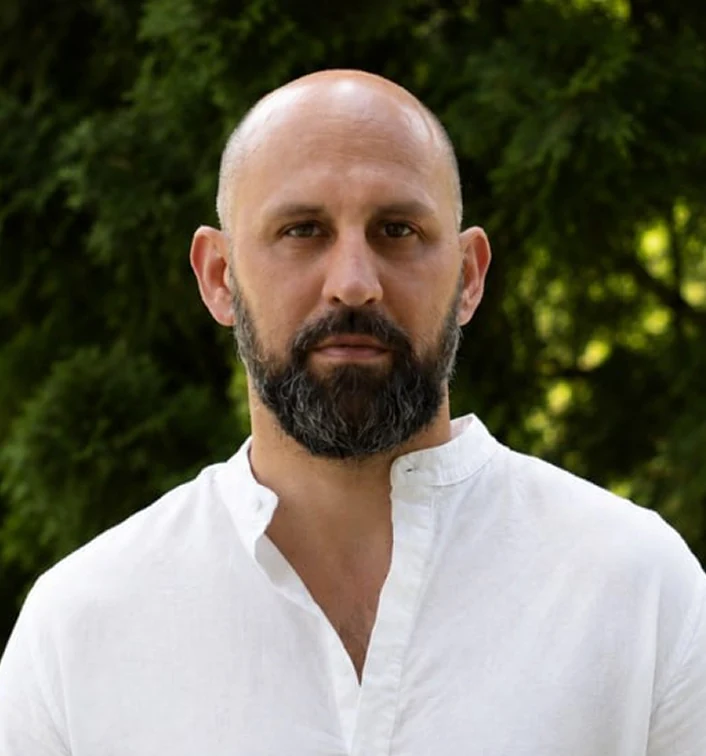
Vladlen Mikhaylovich Unanov
Programme Director
Addiction and behavioural therapy centre · Tashkent
Support for addiction and behavioural difficulties in Tashkent — for you and your loved ones. We’ll discuss your situation and the available options.
No placement on the addiction registerAvailable 24/7
About PROADDICT
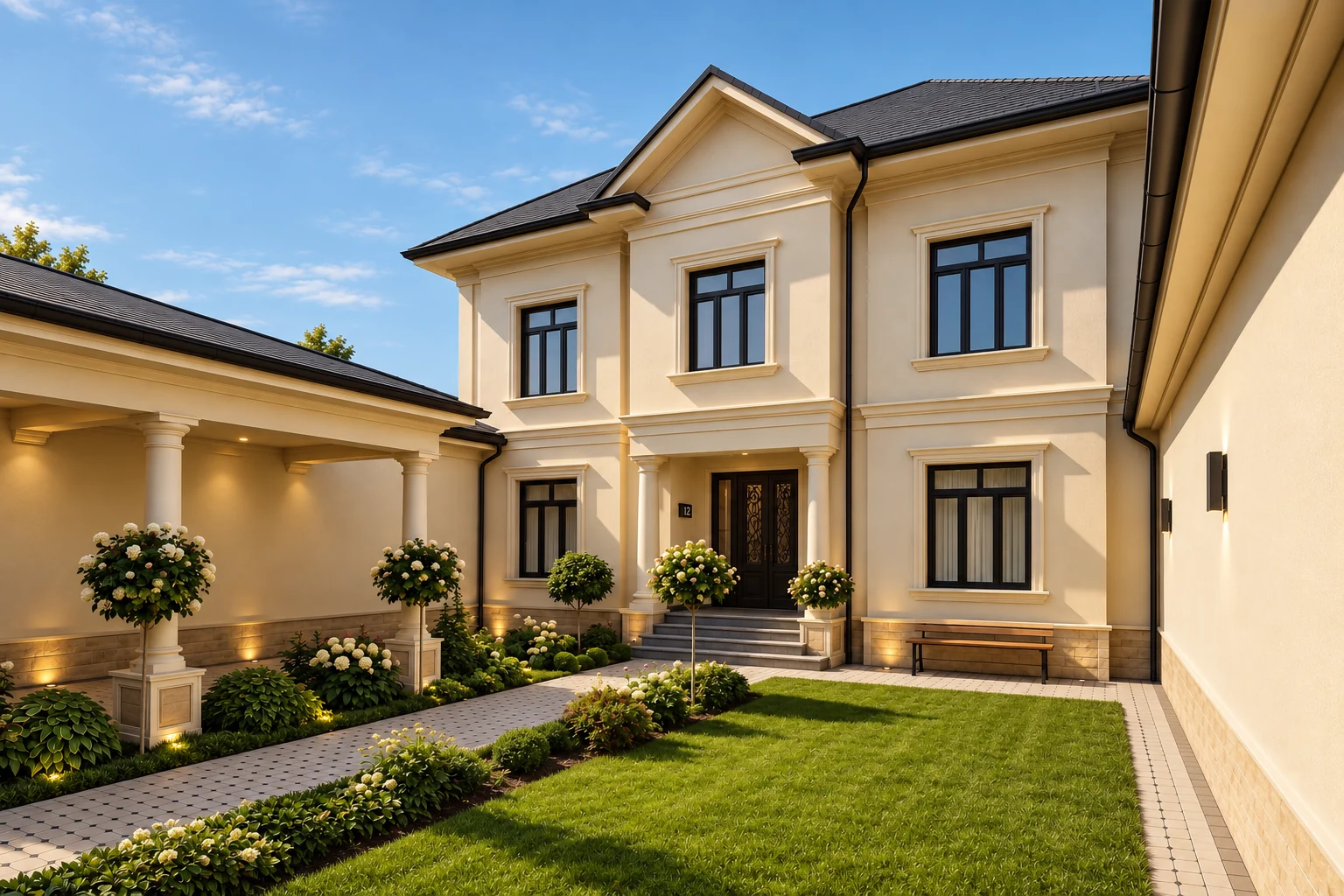
PROADDICT is a centre for the treatment of addiction and behavioural difficulties in Tashkent. We help people address addiction and behavioural difficulties, while helping their loved ones better understand what is happening and build healthier relationships within the family.
Residential recovery programmes include individual and group therapy, work with the family, round-the-clock support from specialists and preparation for independent life after completing the programme.
The centre also offers a dedicated women’s recovery programme.
Help for yourself
Tell us what concerns you
No placement on the addiction register
Difficulties controlling alcohol use and dealing with its consequences.
Talk about your situation and explore support options.
When gambling affects finances, relationships and everyday life.
Recurring conflict, aggression and risk-taking. Please ask the centre about the ages it accepts.
Help for a loved one
No placement on the addiction register
During a consultation, we’ll review your situation, discuss communication with your loved one and consider the available support options. You can contact us on your own, even if your loved one is not yet ready to take part.
Family meetings, support from a programme coordinator and information for relatives are available. These meetings offer space to discuss emotional strain, family relationships and personal boundaries, helping you support your loved one while looking after your own wellbeing.
A conversation about treatment can easily turn into conflict: pressure creates resistance, accusations lead to denial, and persuasion often ends with another promise: “I can handle it myself.”
During the consultation, we will look at your specific situation: how your loved one is behaving now, what you have already tried and what tends to trigger the strongest reaction.
We will then decide how best to begin the conversation, which words to use and what to avoid, so as not to increase resistance and to improve the likelihood that the person will agree to accept help.
Refusal does not mean that nothing can be done.
A person may deny the problem, fear treatment, distrust specialists or believe they can cope on their own. There is therefore no universal script for persuading someone to accept help.
We look at what is driving the resistance in your situation and determine the best approach for what comes next.
Yes. The work can begin with you.
During the consultation, we will review the situation from your account, identify which actions are helping and which may unintentionally be sustaining the problem, and create a clear plan for the next steps.
During the programme, a participant is not simply staying at the centre — each day is structured around systematic therapeutic work.
The programme includes individual and group sessions, motivational work, training, written assignments and other recovery methods. Specialists support the participant throughout the programme and monitor changes in their condition and engagement in the process.
The family does not remain “outside the door”.
Family meetings and contact with a programme coordinator are available for relatives. Specialists explain what happens at different stages of recovery, offer guidance on communication and help the family develop a more stable way of relating to one another.
Arrangements for calls, visits and other contact depend on the stage of the programme. These rules are discussed with relatives in advance so that the family understands why particular restrictions are introduced and how to support their loved one without disrupting the recovery process.
Tell us what is troubling you or your loved one. We can discuss where to start.
Consultations and assessment help identify your needs and a suitable form of support.
We discuss the suitable format — residential or outpatient — together with the goals, terms and cost of the programme.
The therapeutic process is structured systematically and supported by specialists throughout the programme.
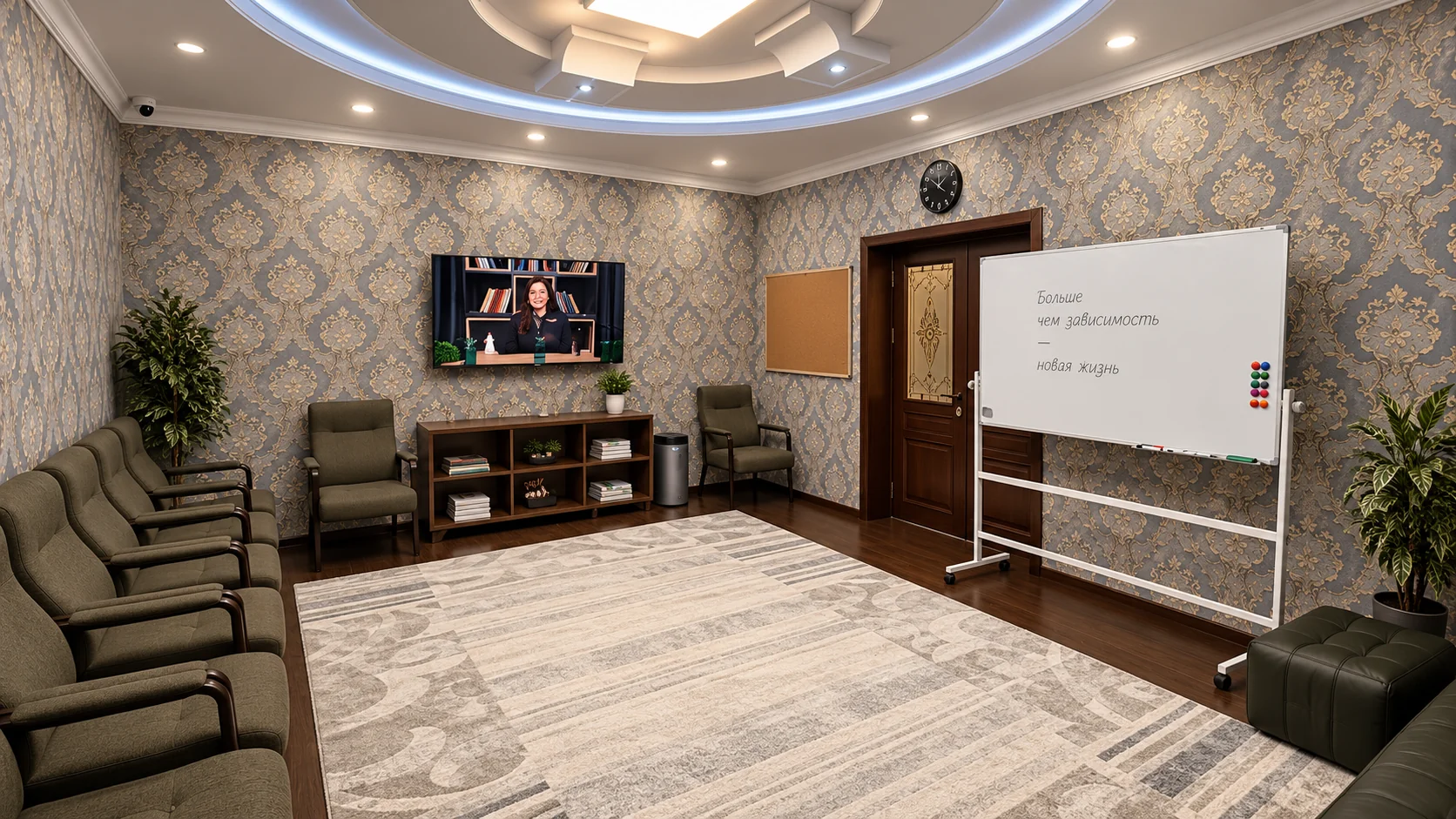
In the residential programme, therapy is balanced with physical activity and rest. Participants stay in rooms at the centre and receive four meals a day; a fitness area and swimming pool are available for exercise and leisure.
Outpatient programmes are available for adults with alcohol dependence and gambling addiction: participants attend appointments and sessions on an agreed schedule, then return home. The suitable format is discussed during the consultation.
Meet the centre’s specialists and learn about their roles in the programme.
Programme Director
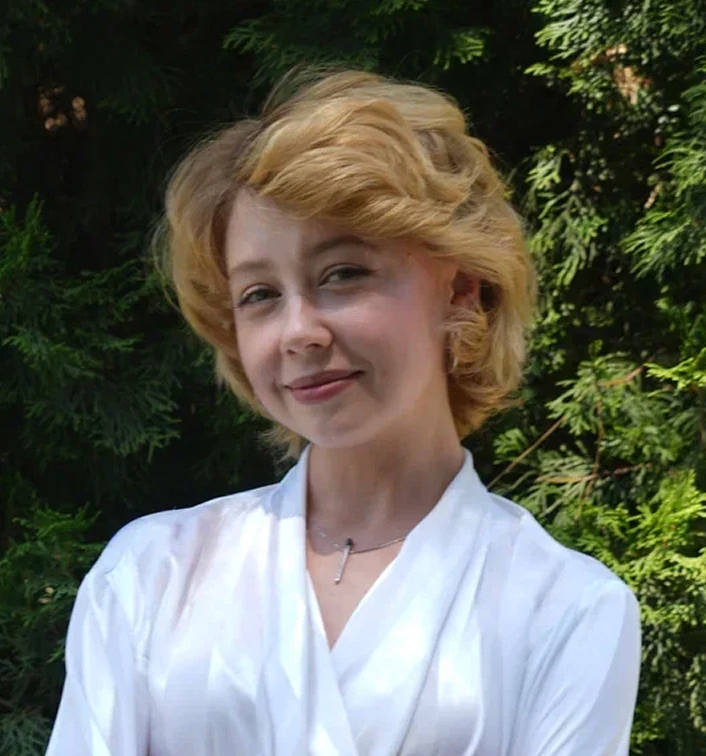
Head of Psychological Services
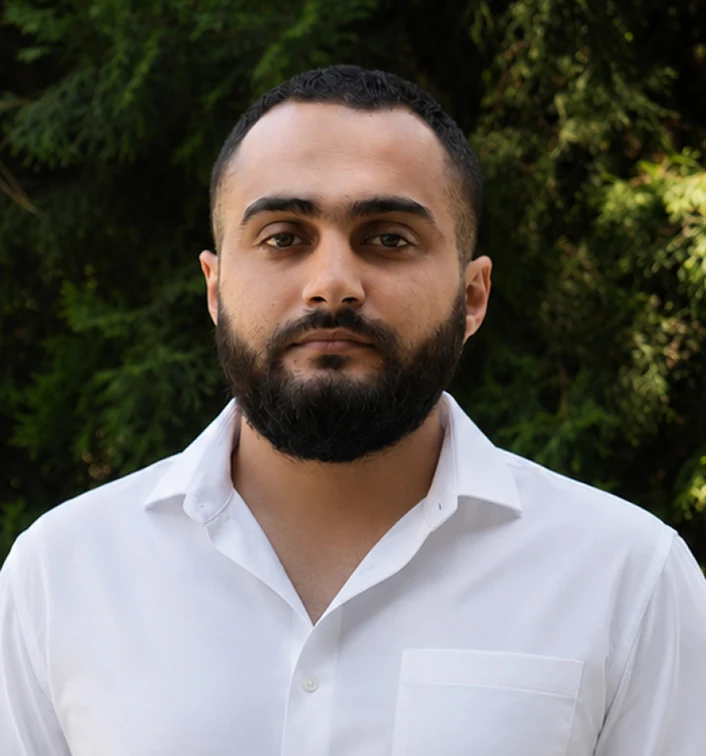
Head of Educational and Social Adaptation Services
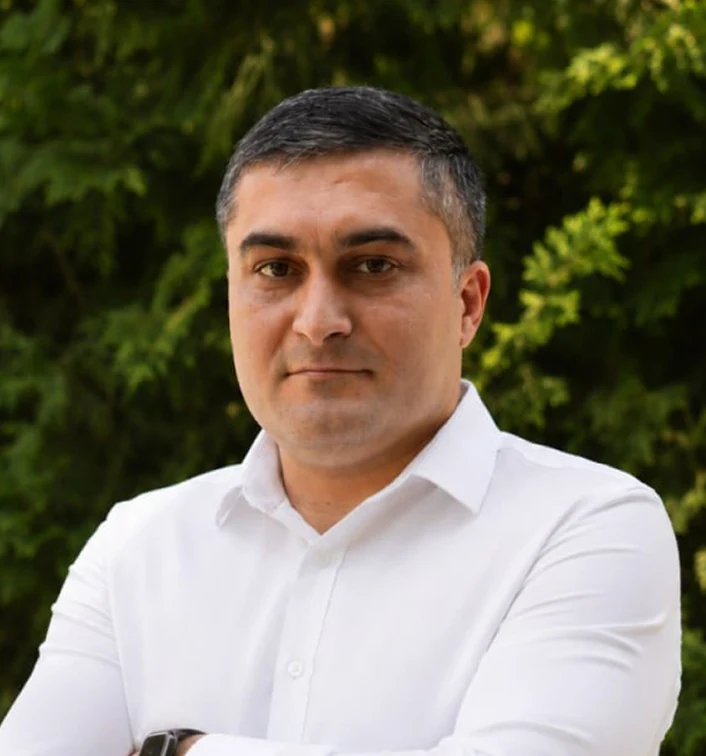
Specialist in gambling addiction assessment and psychological intervention
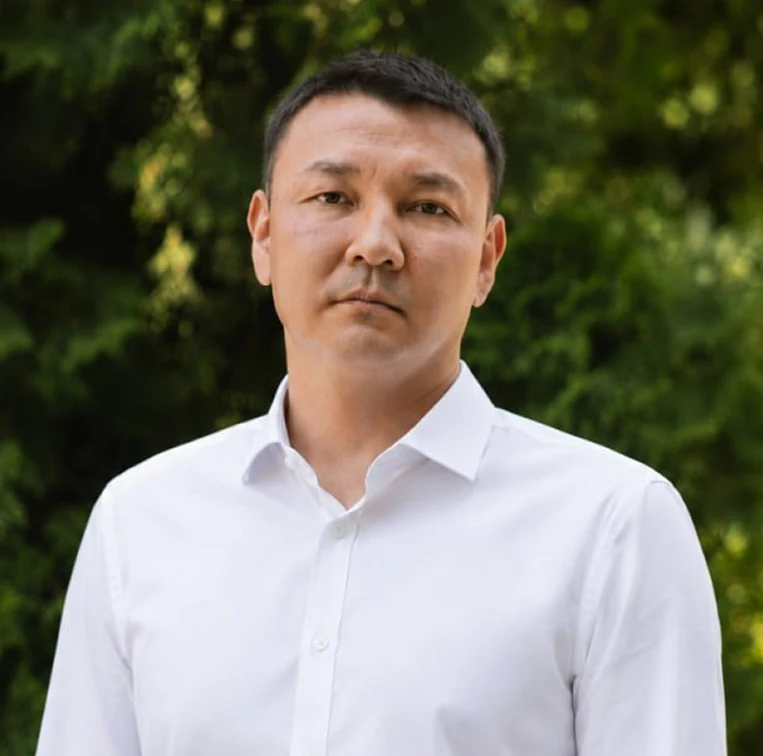
Behavioural Support Consultant
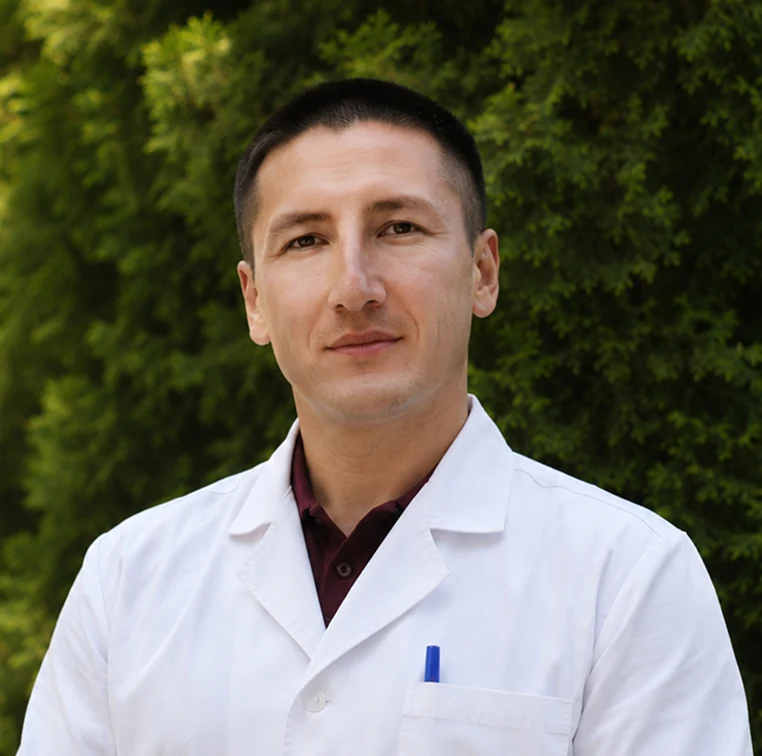
Psychiatrist and Psychotherapist

Women’s Support Consultant
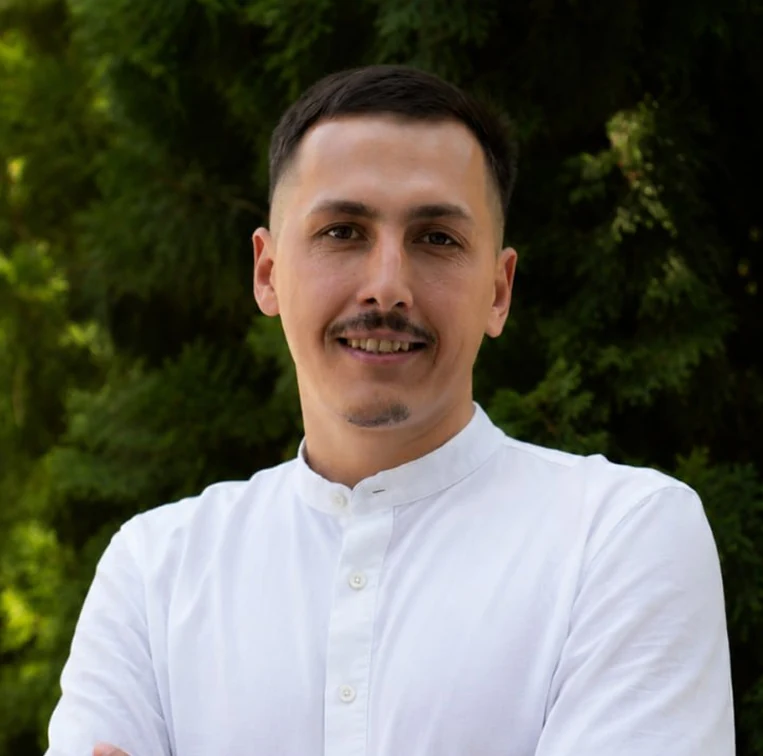
Head of Social Reintegration and Aftercare
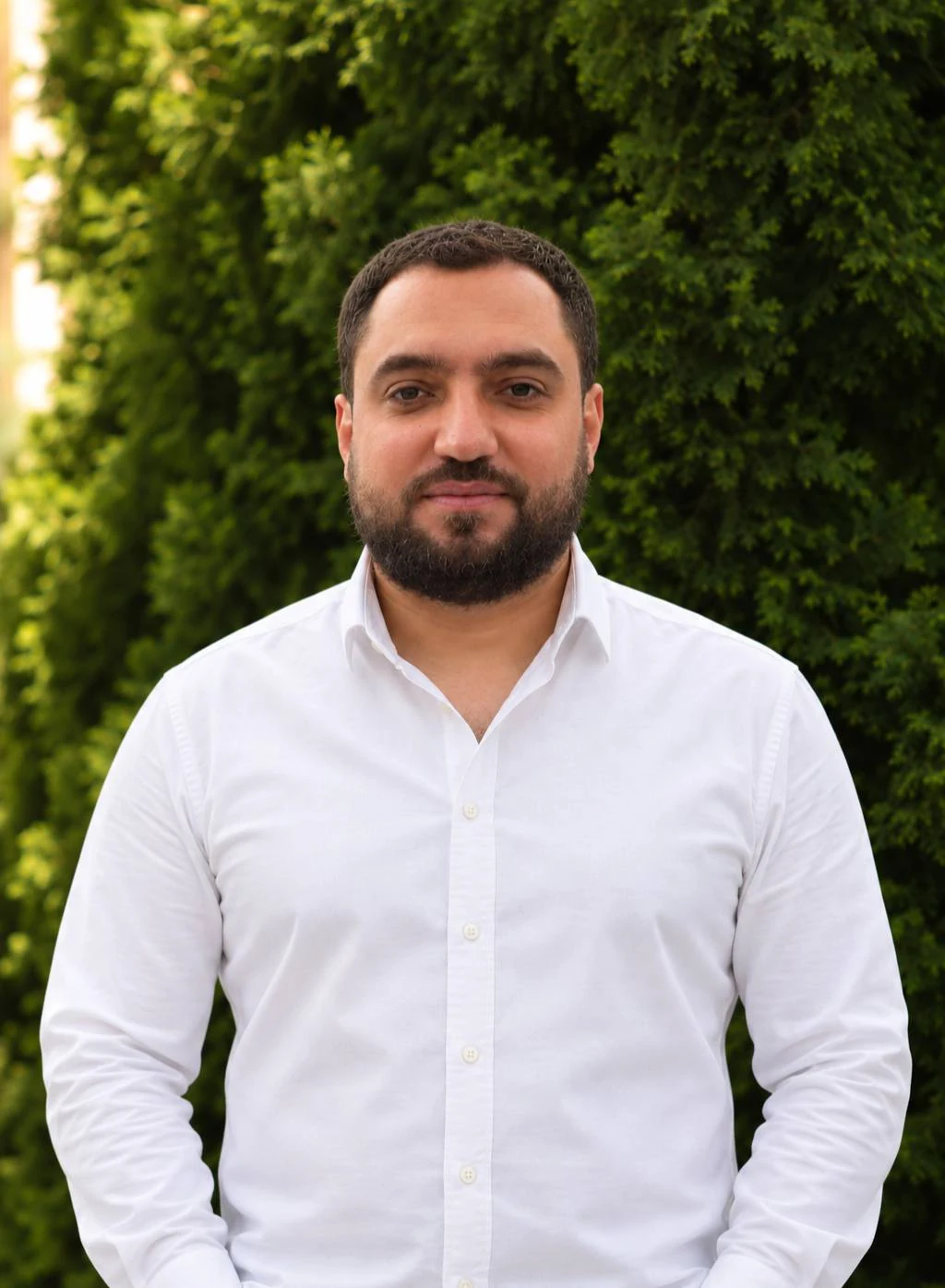
Addiction motivation specialist
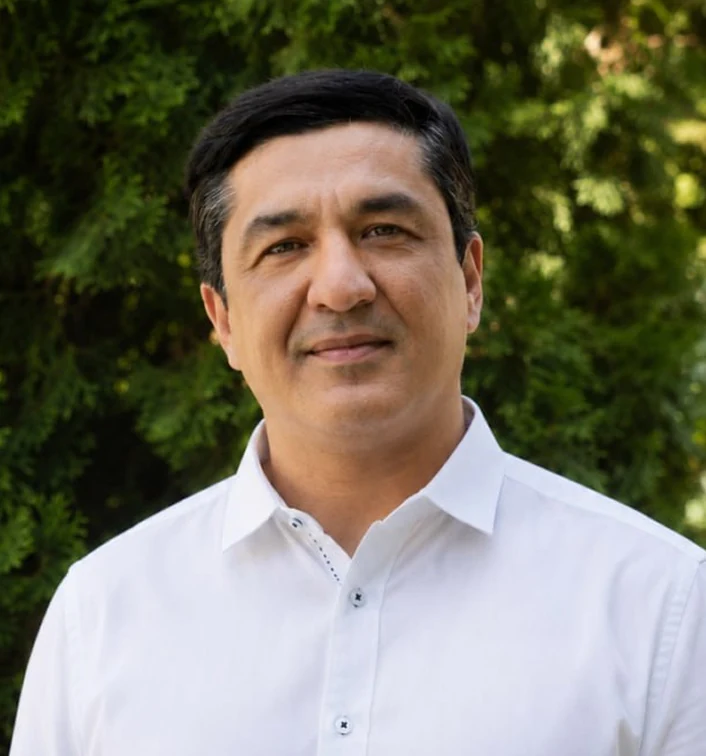
Family Support Specialist
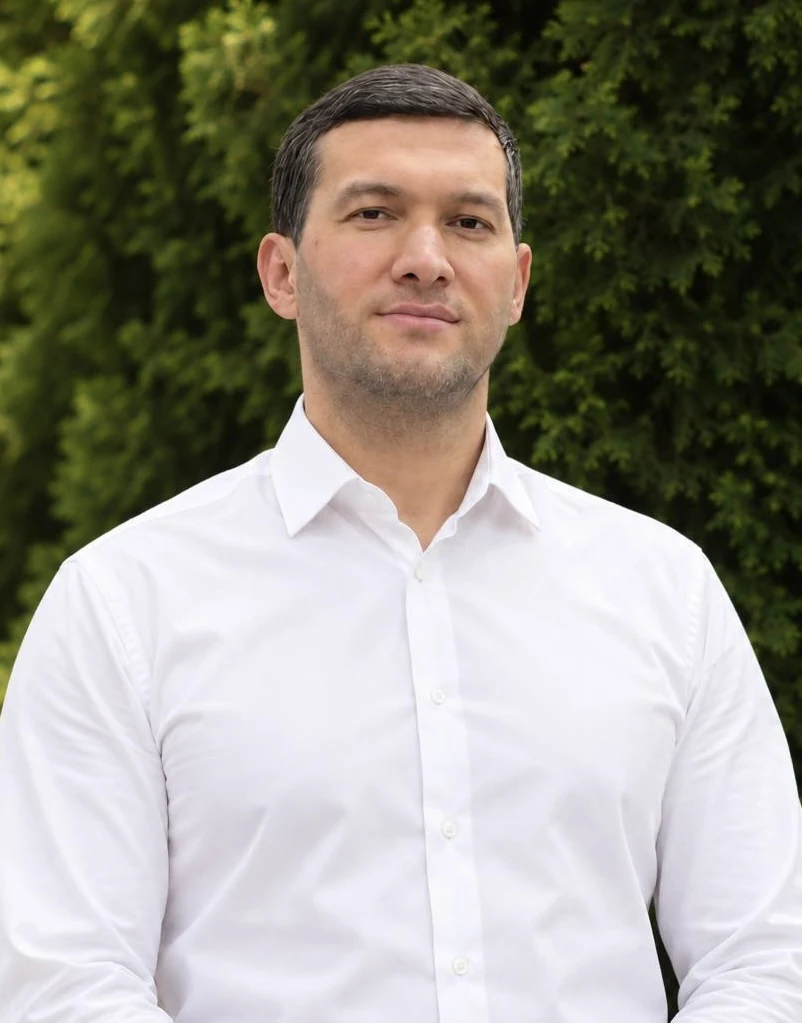
Personal effectiveness expert
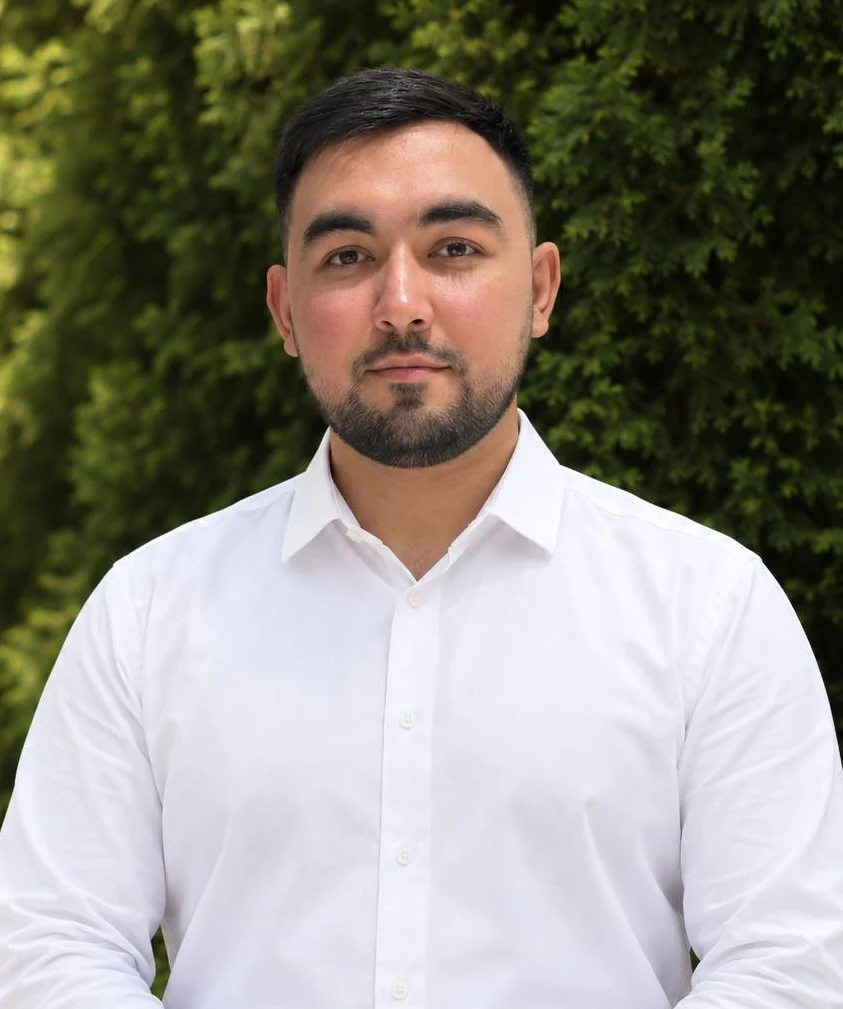
Lead facilitator for group programmes
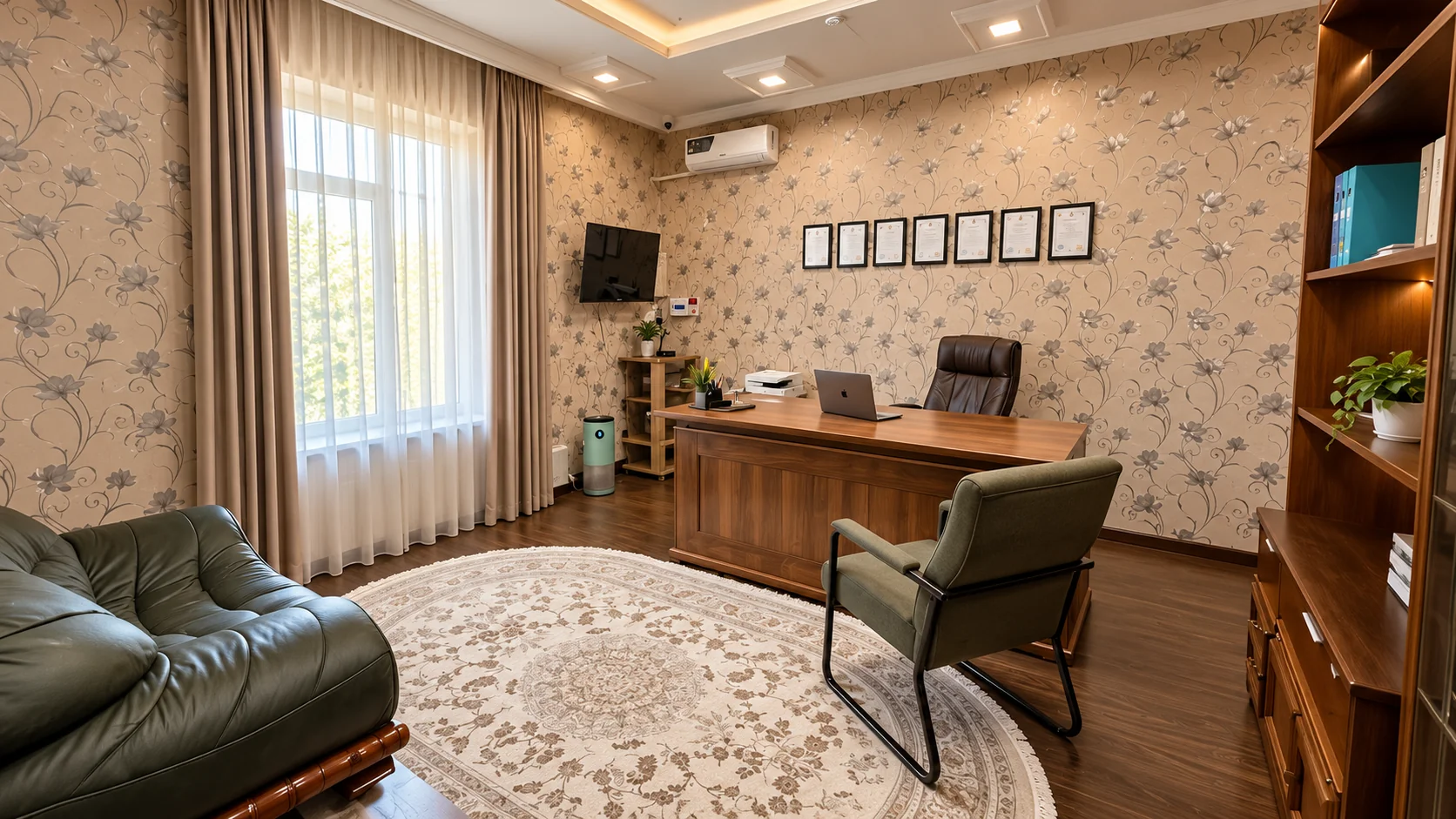
Real photographs of the centre: accommodation, rooms for sessions and places to unwind.
First stage
Residential recovery programme
A residential programme with round-the-clock therapeutic support and work with the family.
Programme cost is discussed during the consultation.
Without residential care
For adults with gambling addiction: an eight-week non-residential programme focused on restoring control over gambling and financial behaviour.
The programme includes:
Programme cost is discussed during the consultation.
Without a residential stay
For adults with alcohol dependence: appointments at the clinic without a residential stay.
The programme includes:
Programme cost is discussed during the consultation.
The overall programme length, additional services and terms of aftercare are discussed with the centre before treatment begins.
PRO ADDICT MChJ · No. 778601 · 19 May 2025–19 May 2030
The document lists medical psychology and psychotherapy.
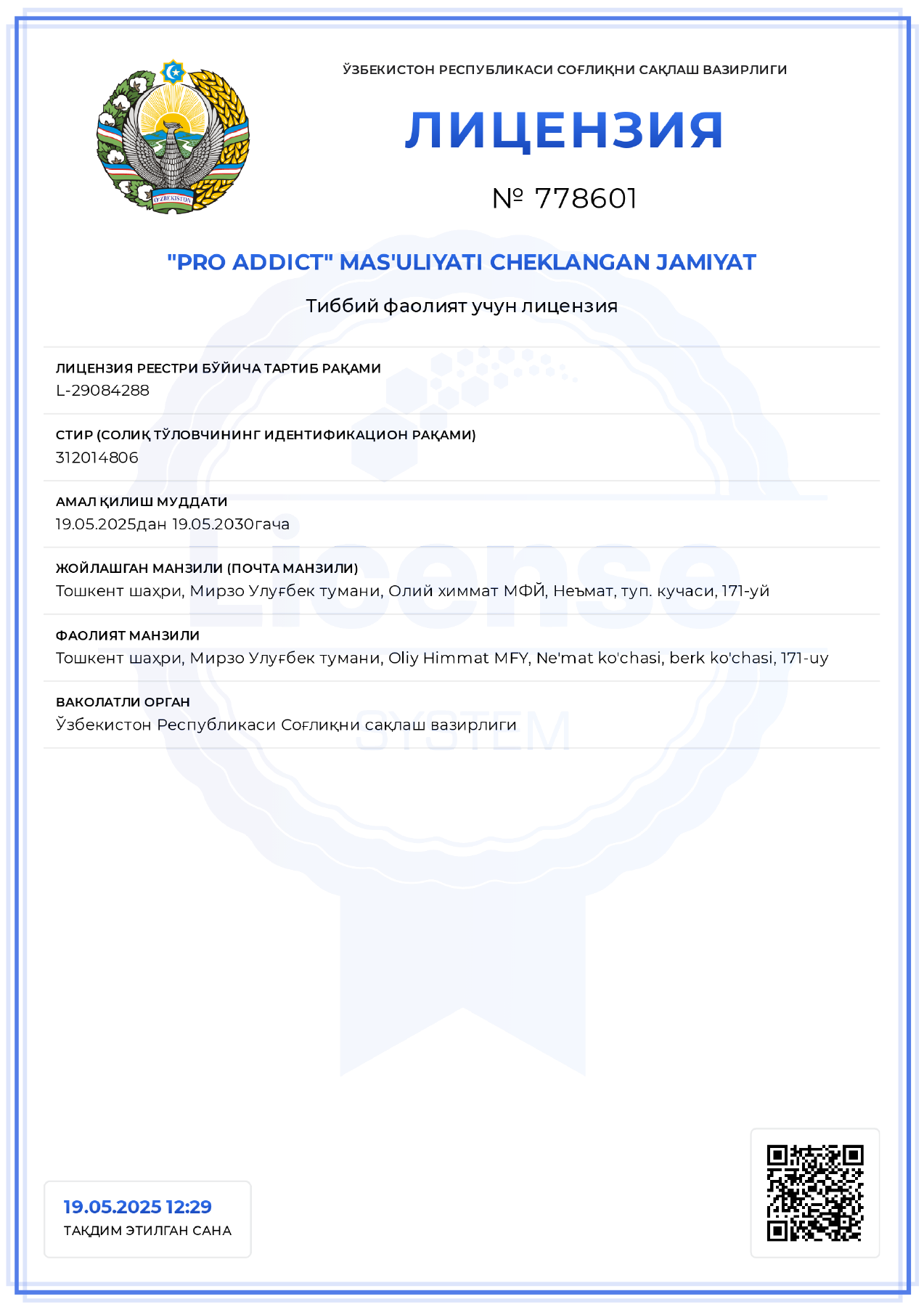 View the full licence ↗
Education and further training documents.
Scroll right to view them all.
 DiplomaVocational Diploma with Honours · 2020Enlarge
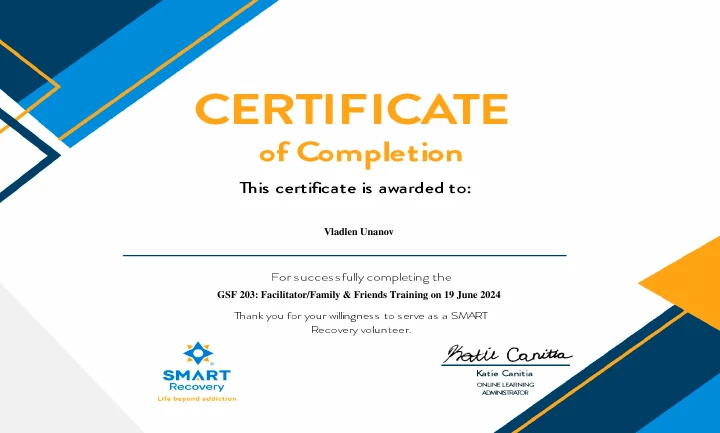 CertificateSMART Recovery · Family & Friends · 2024Enlarge
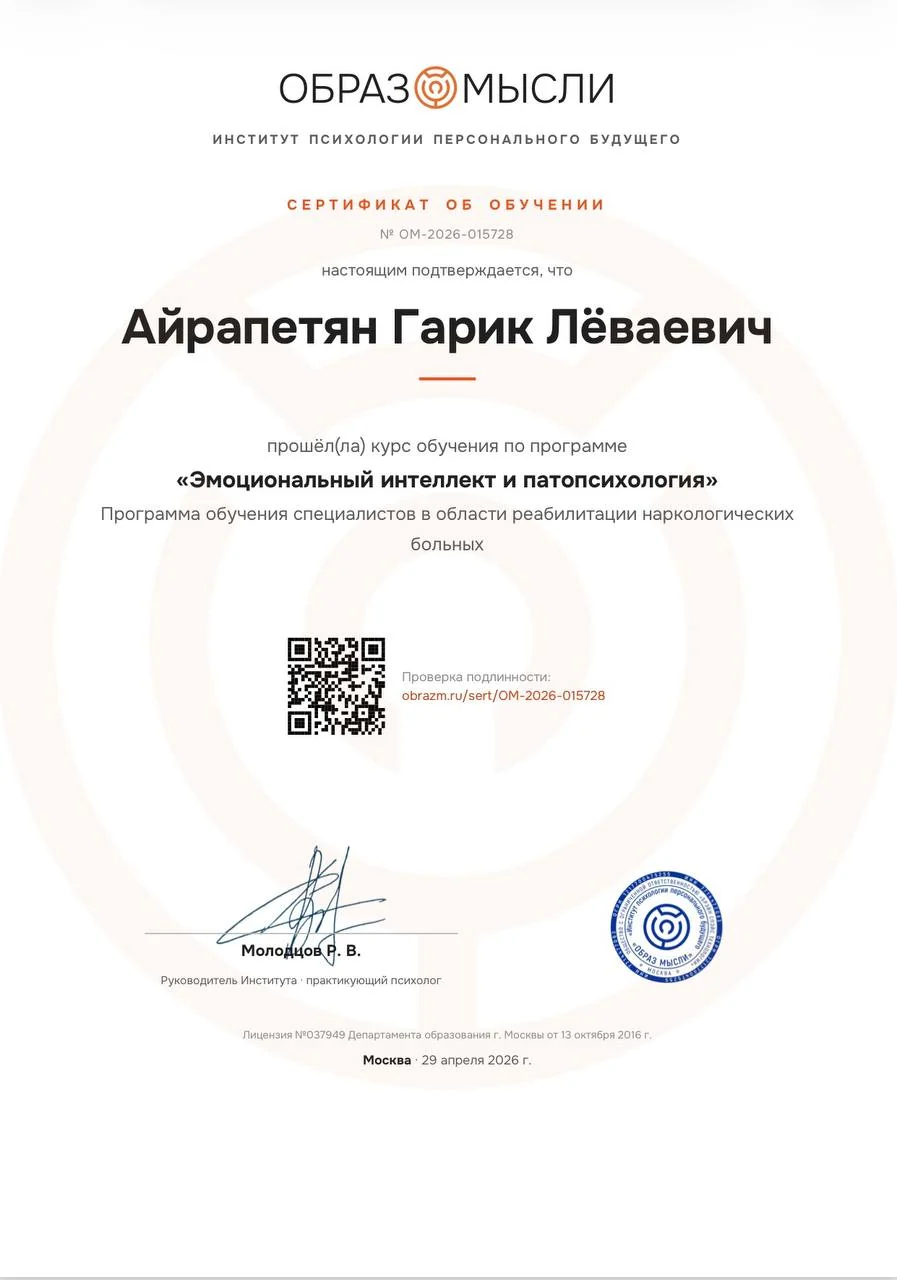 CertificateEmotional Intelligence and Pathopsychology · 2026Enlarge
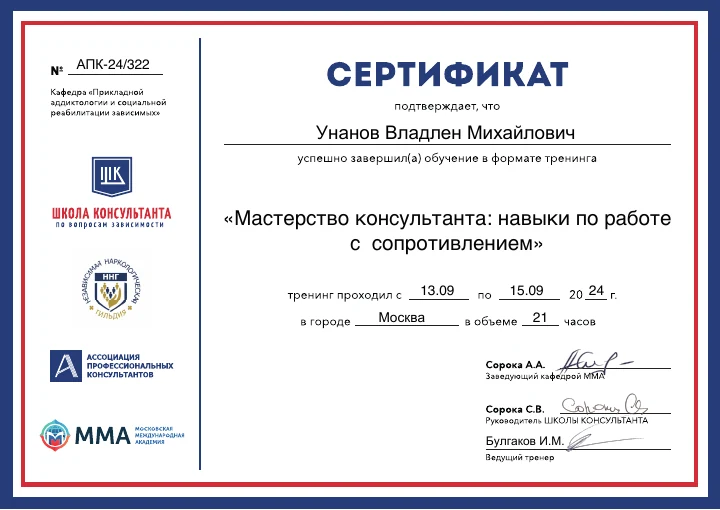 CertificateCounselling Skills · 21 hours · 2024Enlarge
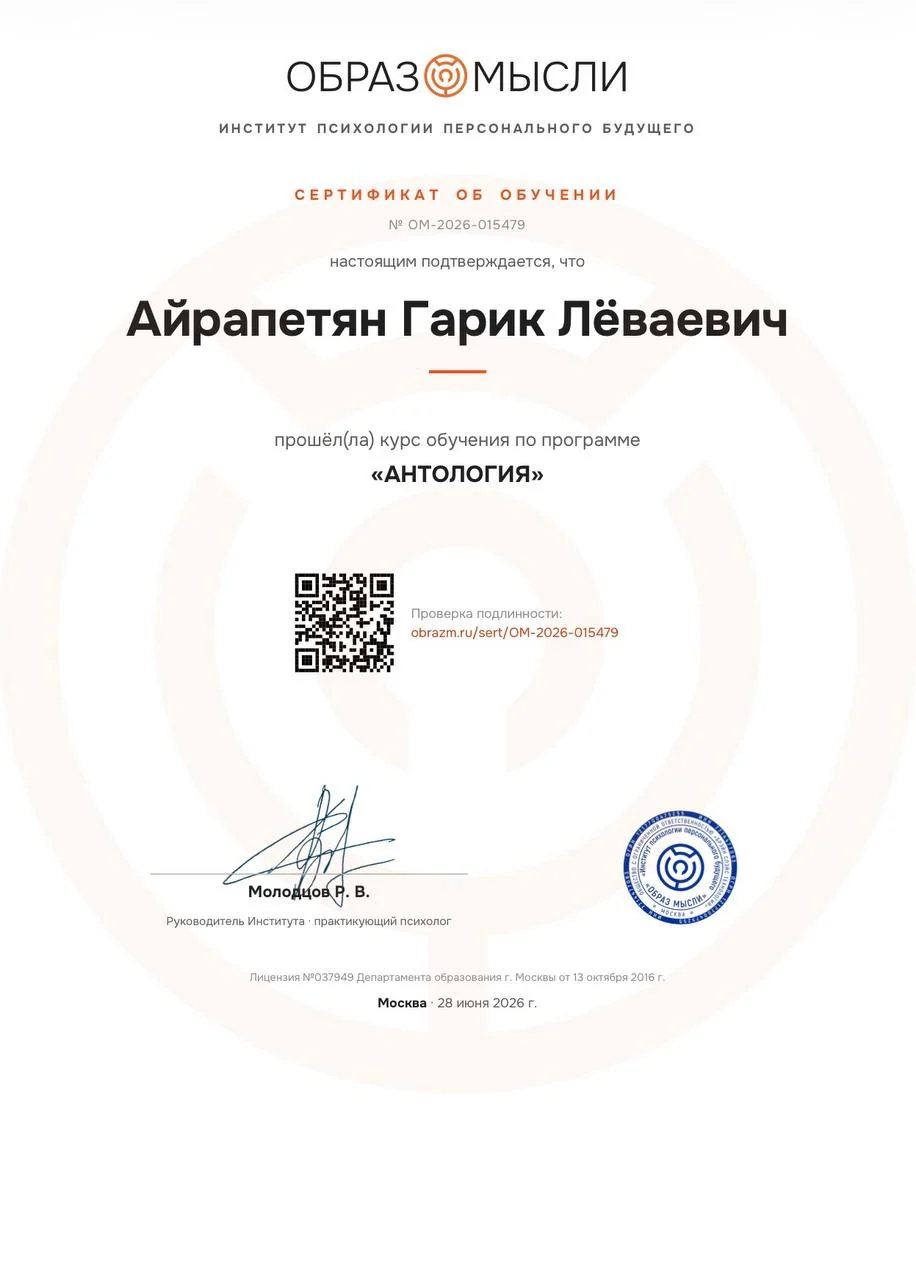 CertificateAnthology · 2026Enlarge
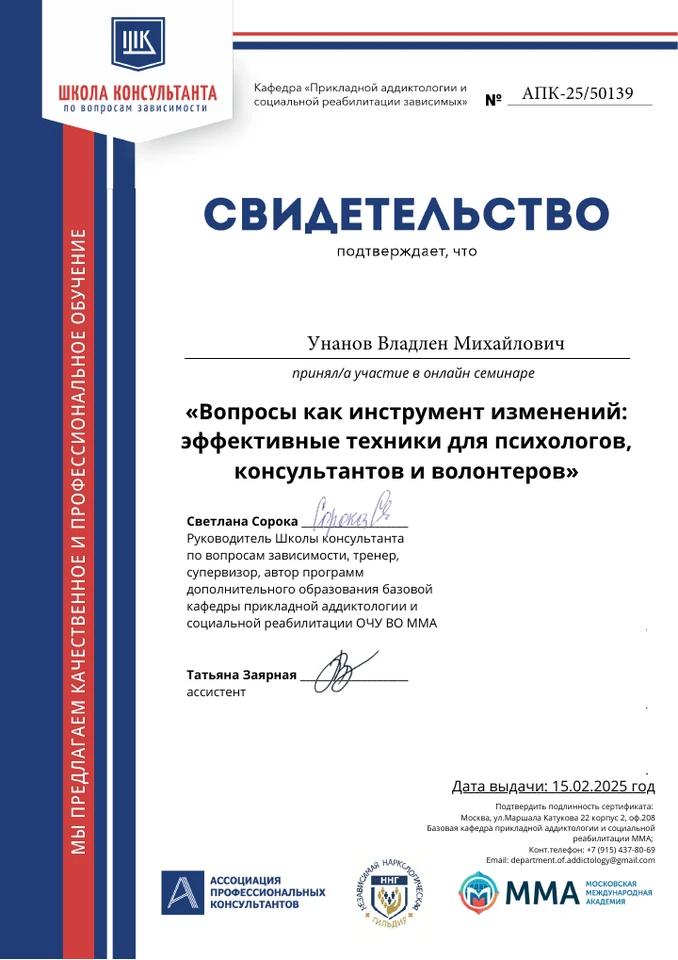 CertificateQuestions as a Tool for Change · 2025Enlarge
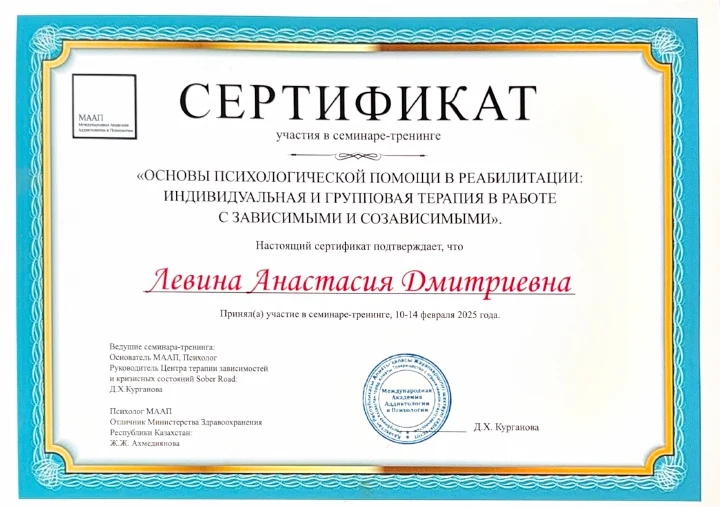 CertificatePsychological Support in Rehabilitation · 2025Enlarge
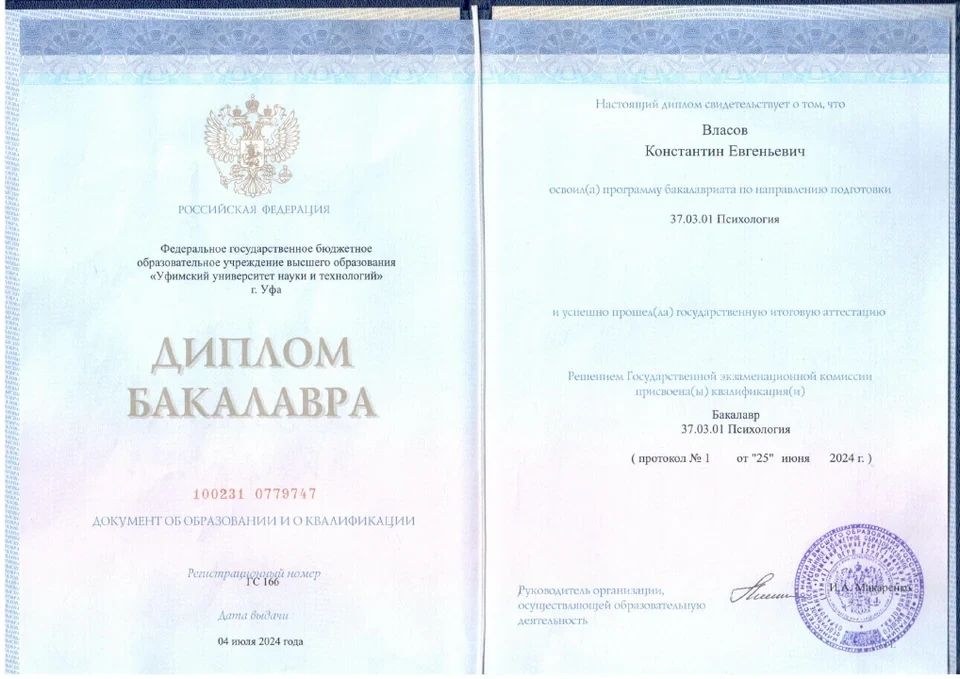 DiplomaDiploma · Ufa University of Science and Technology · 2024Enlarge
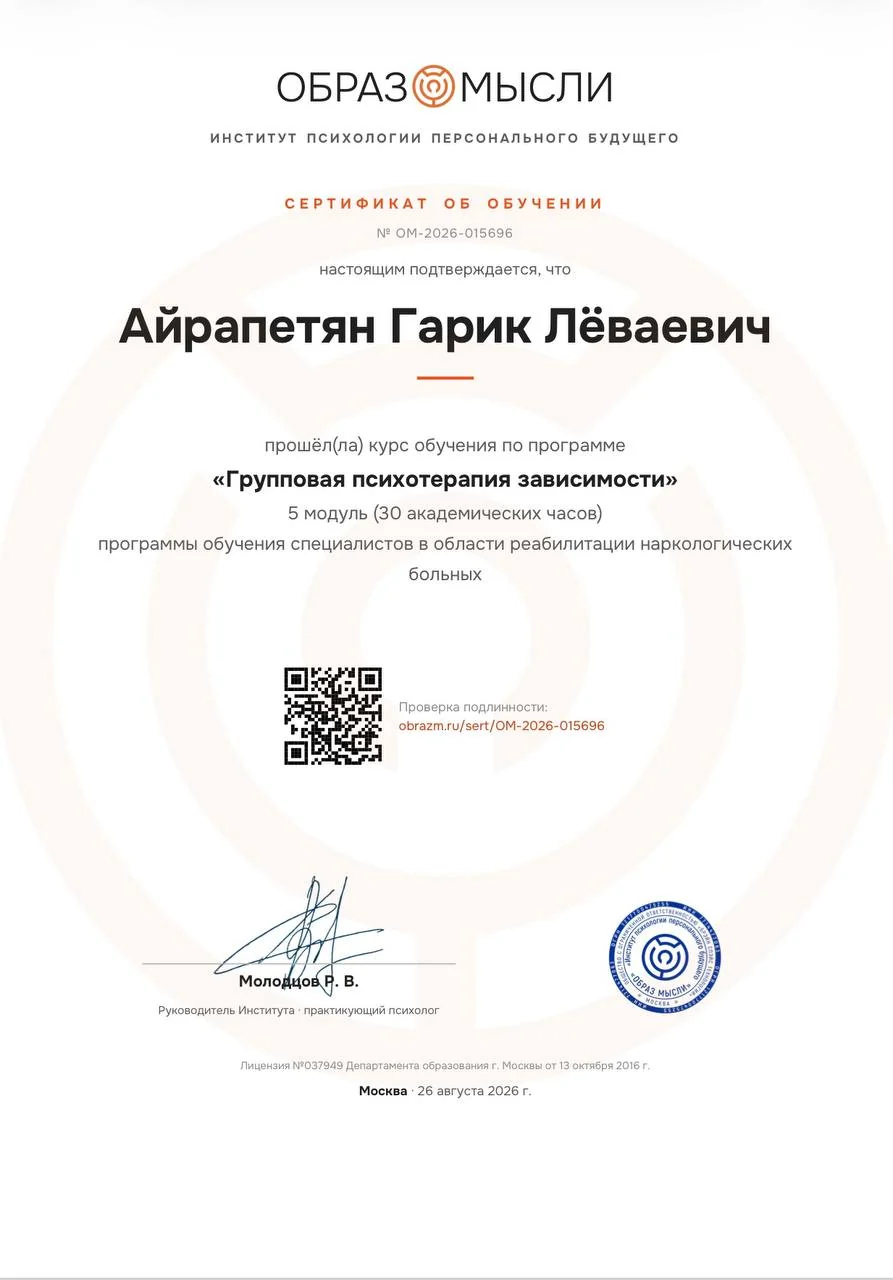 CertificateGroup Psychotherapy for Addiction · 30 academic hours · 2026Enlarge
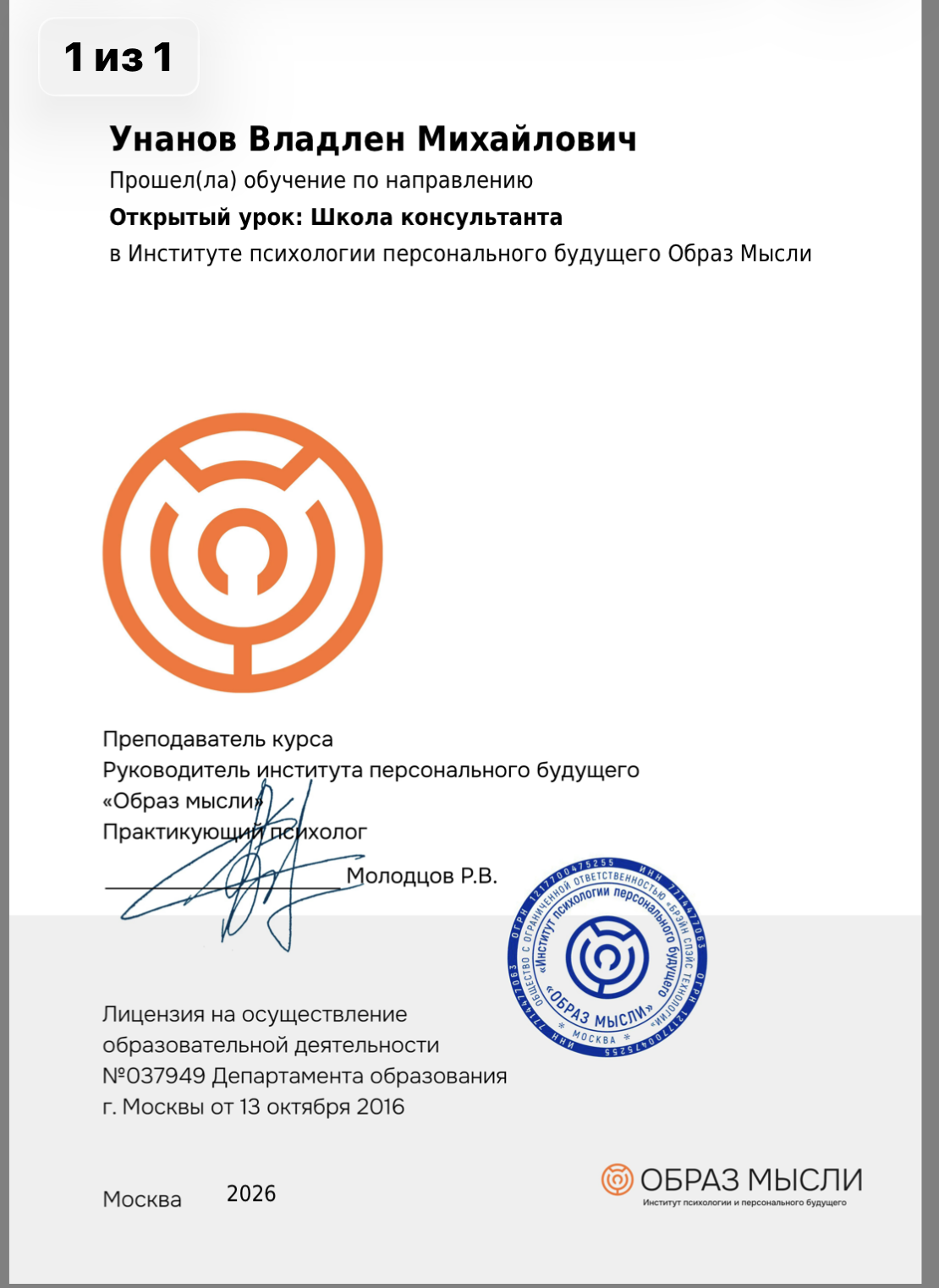 CertificateOpen Class: School of Counselling · 2026Enlarge
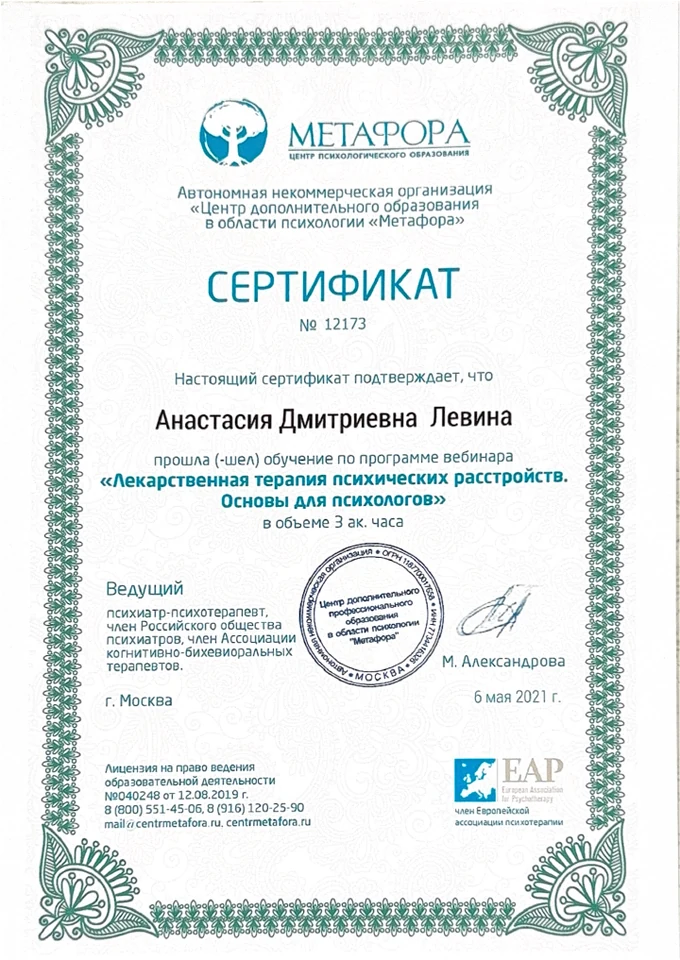 CertificateMedication Therapy Basics for Psychologists · 3 hours · 2021Enlarge
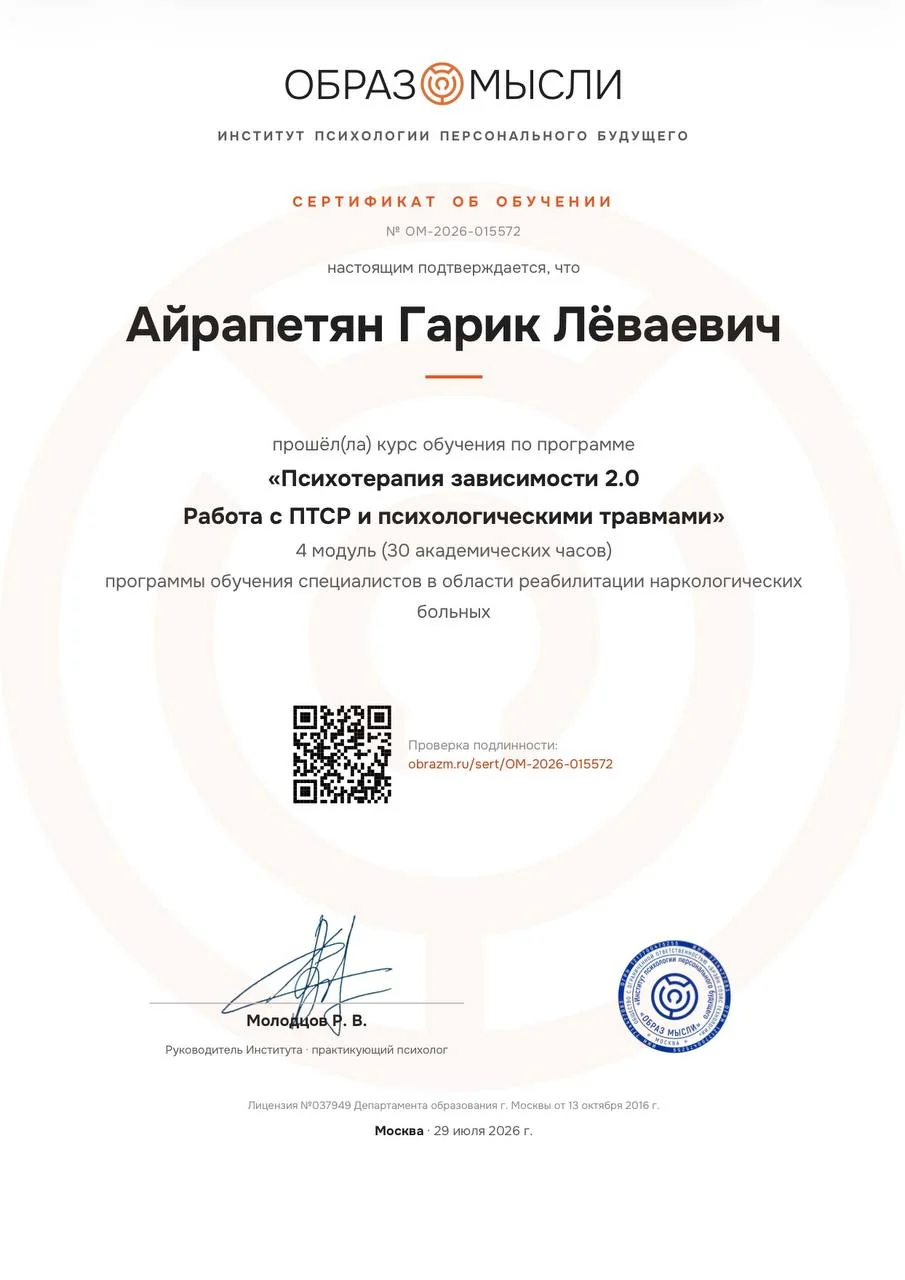 CertificateAddiction Psychotherapy 2.0 · PTSD and Psychological Trauma · 30 academic hours · 2026Enlarge
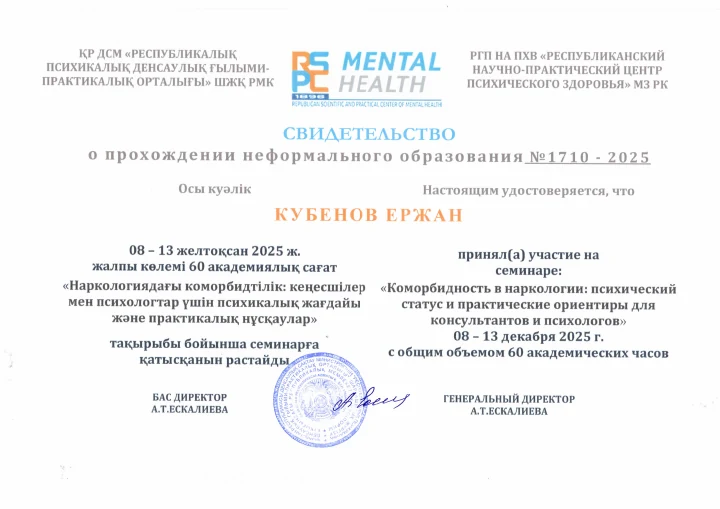 CertificateCo-occurring Conditions in Addiction Care · 60 hours · 2025Enlarge
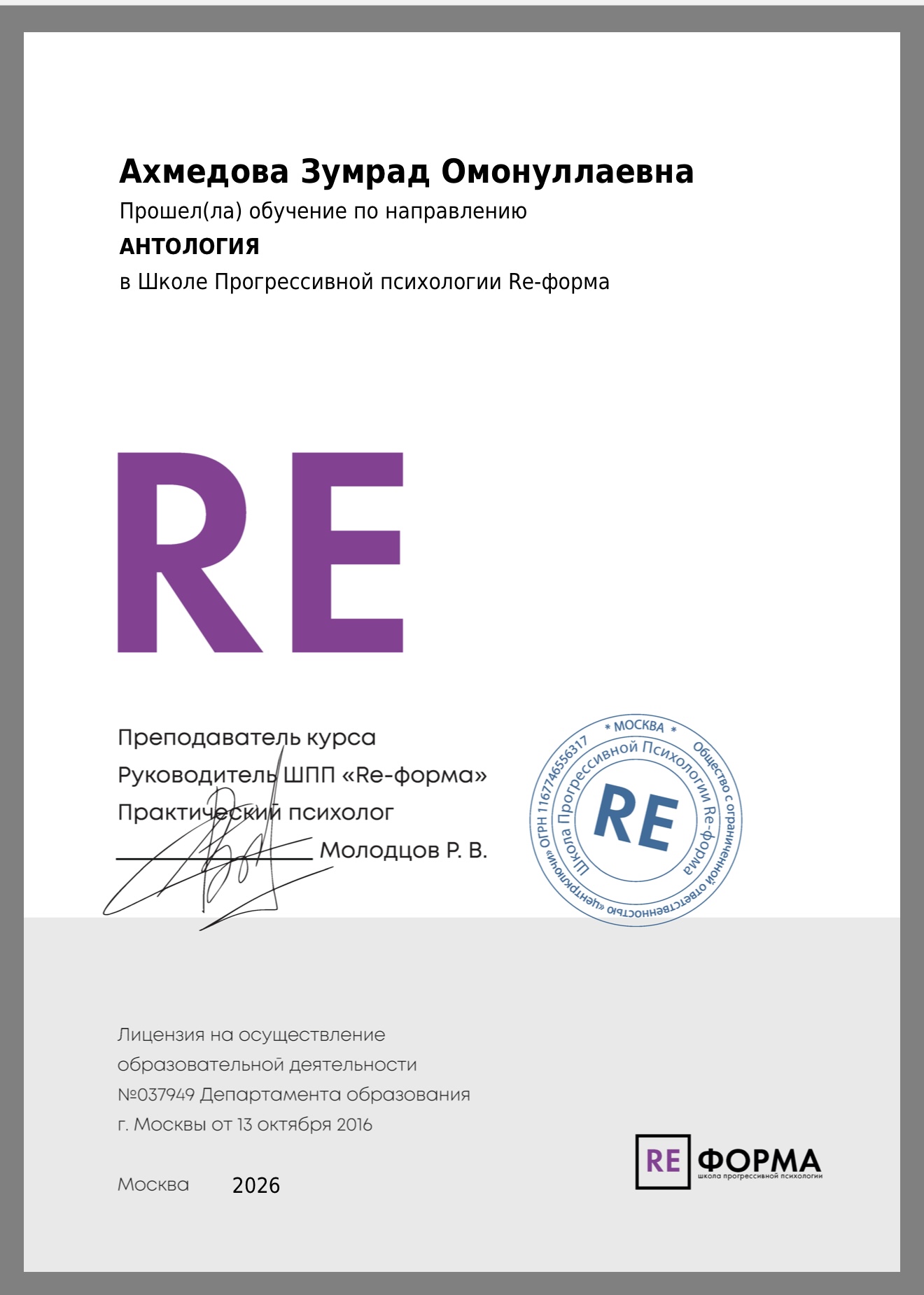 CertificateAnthology · Re-forma · 2026Enlarge
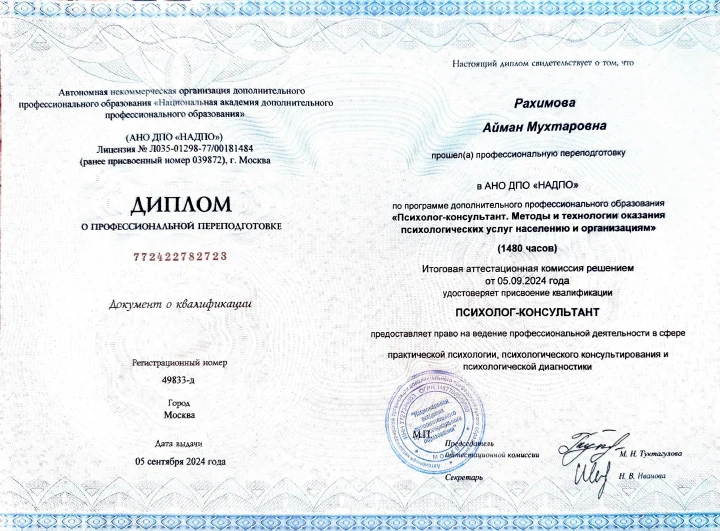 DiplomaDiploma · NADPO · 1,480 hours · 2024Enlarge
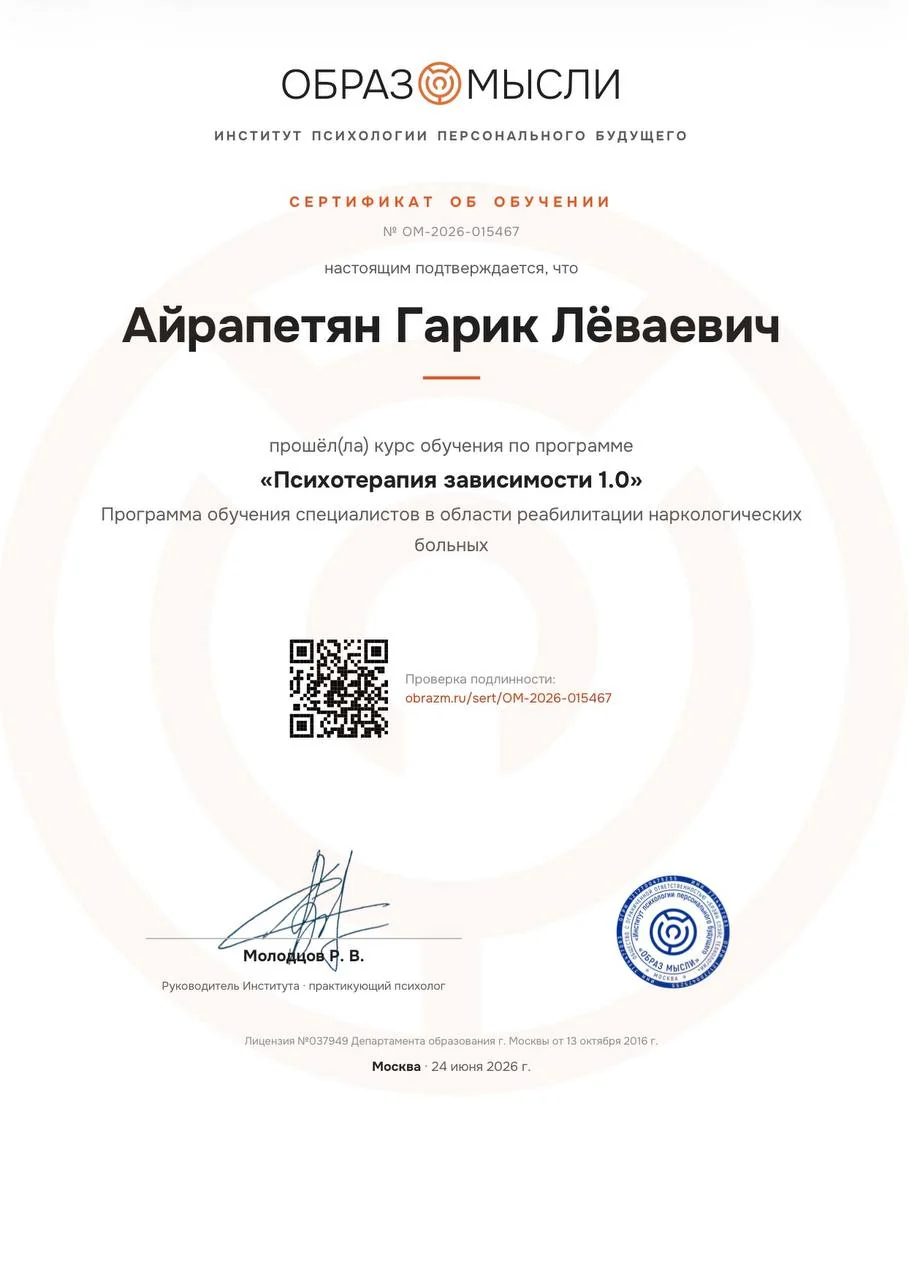 CertificateAddiction Psychotherapy 1.0 · 2026Enlarge
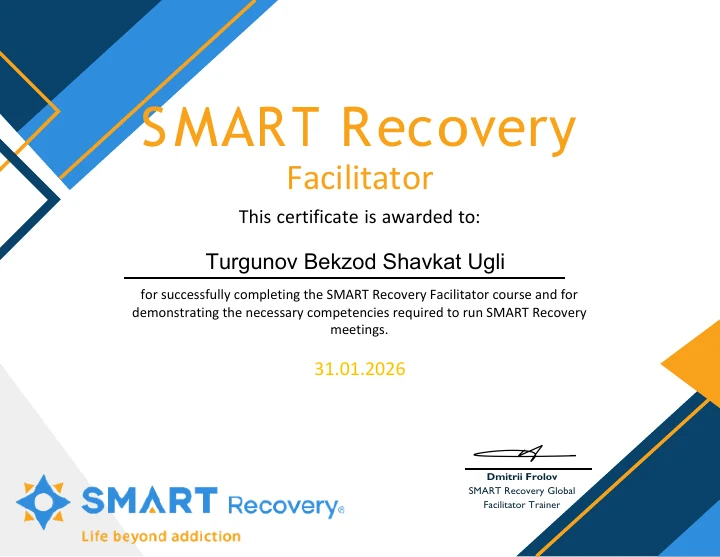 CertificateSMART Recovery Facilitator · 2026Enlarge
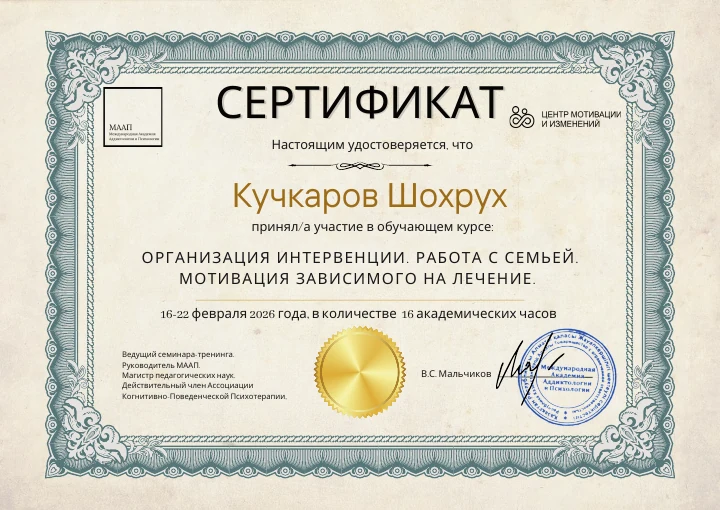 CertificatePlanning an Intervention · 16 hours · 2026Enlarge
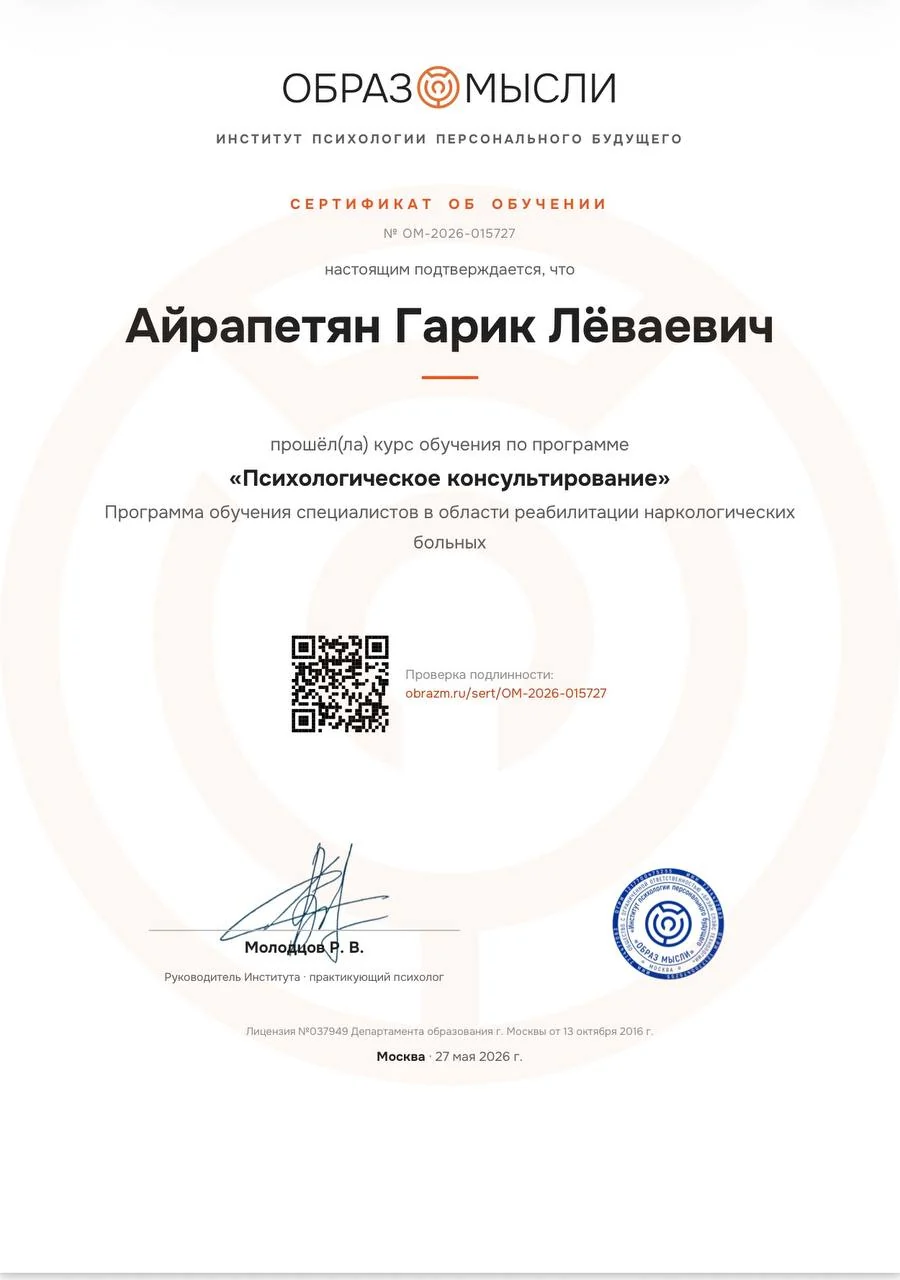 CertificatePsychological Counselling · 2026Enlarge
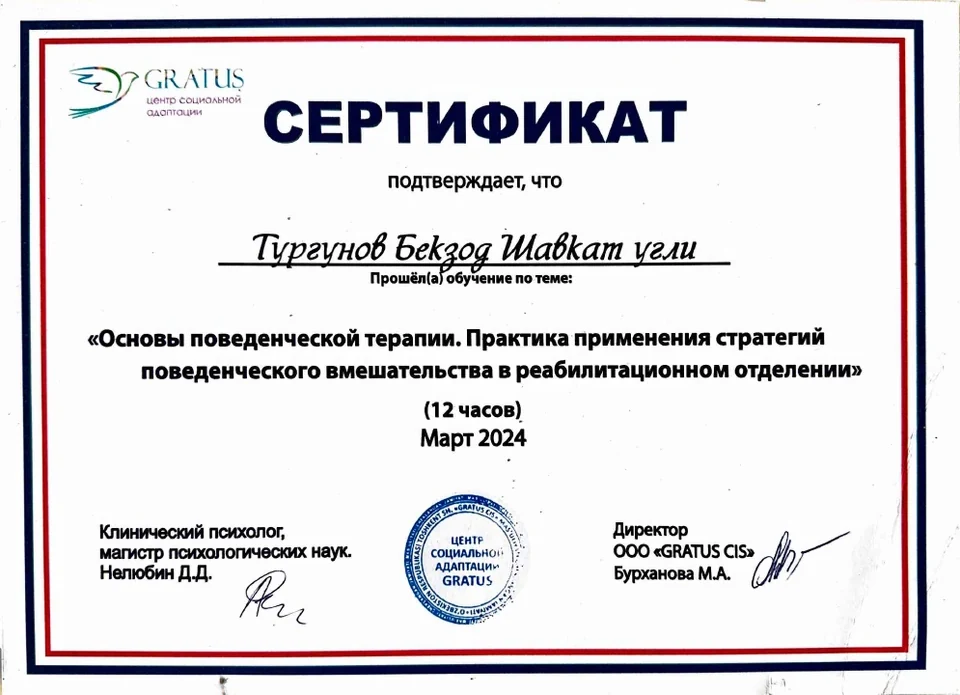 CertificateBehavioural Therapy Basics · 12 hours · 2024Enlarge
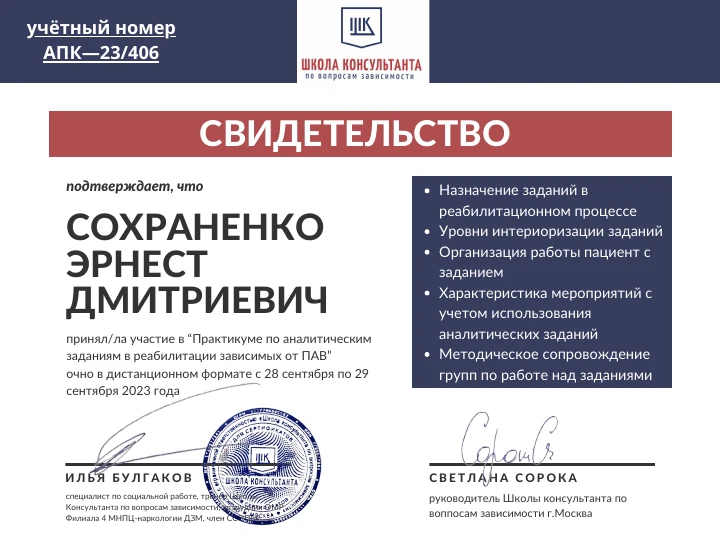 CertificateAddiction Counselling Workshop · 2023Enlarge
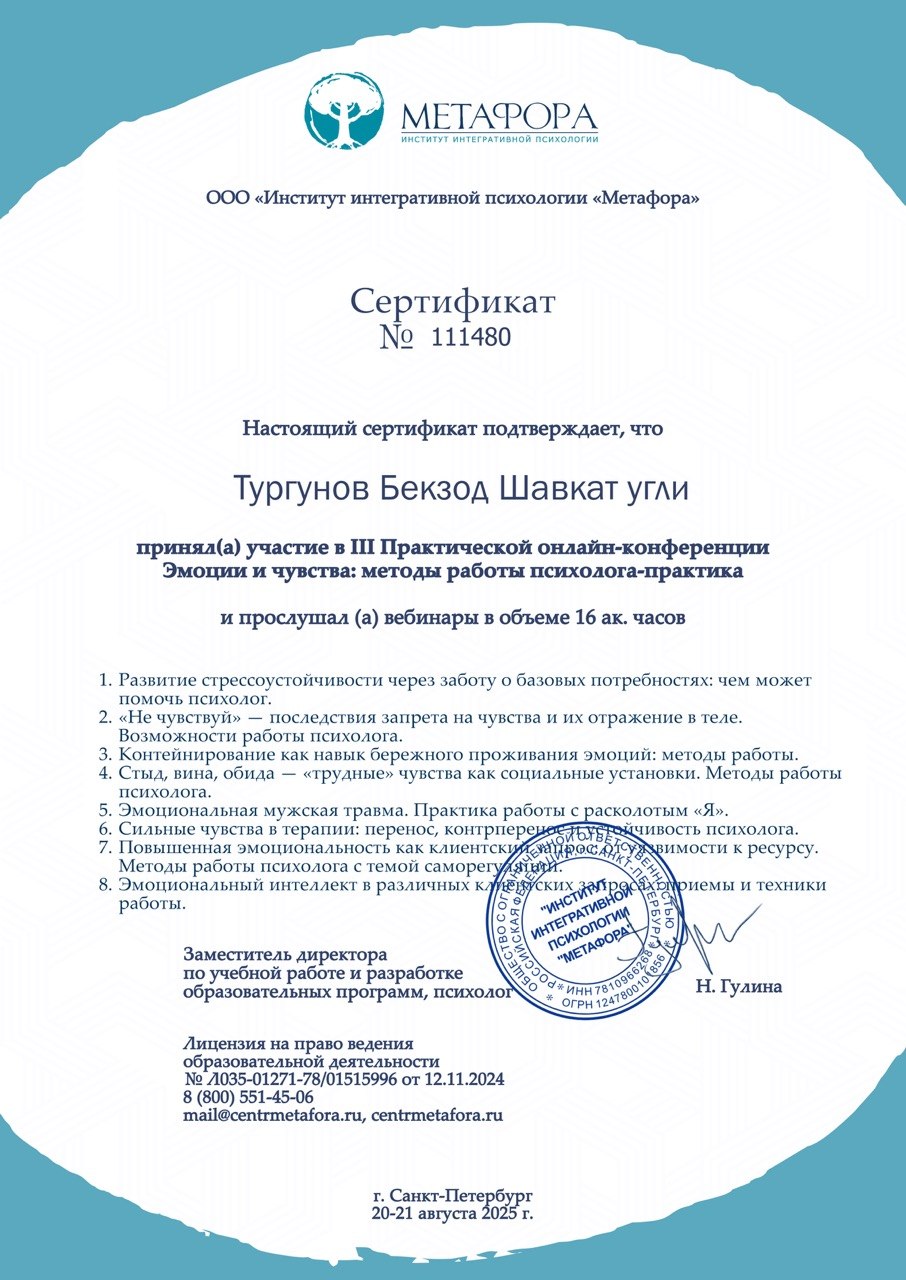 CertificateEmotions and Feelings · Conference · 16 hours · 2025Enlarge
Take the first step at your own pace
Tell us whether you’re looking for help for yourself or a loved one.
Or call us — we’re available around the clock.
Telegram @pro_addict · Tashkent